Concrete Driveway Repair vs Full Replacement: Making the Best Choice for Your Home
Your driveway is one of the first things people notice about your home. It handles heavy vehicle traffic, shifting weather conditions, and the test of time. Over the years, wear and tear are inevitable, leaving many homeowners in the Fayetteville area wondering whether they should try to patch up the damage or start fresh with a completely new pour.
Deciding between concrete driveway repair vs full replacement isn't always a straightforward choice. It requires understanding the underlying cause of the damage, the extent of the wear, and the long-term value you want to add to your property. Knowing what to look for can save you time, money, and the frustration of dealing with recurring issues.
At Three Generations Concrete, we understand that upgrading your property is a significant investment. We want to help you make an informed decision that enhances your curb appeal and provides lasting functionality. Let's break down how to evaluate your current driveway and choose the best path forward.
Recognizing the Signs a Concrete Driveway Needs Replacement
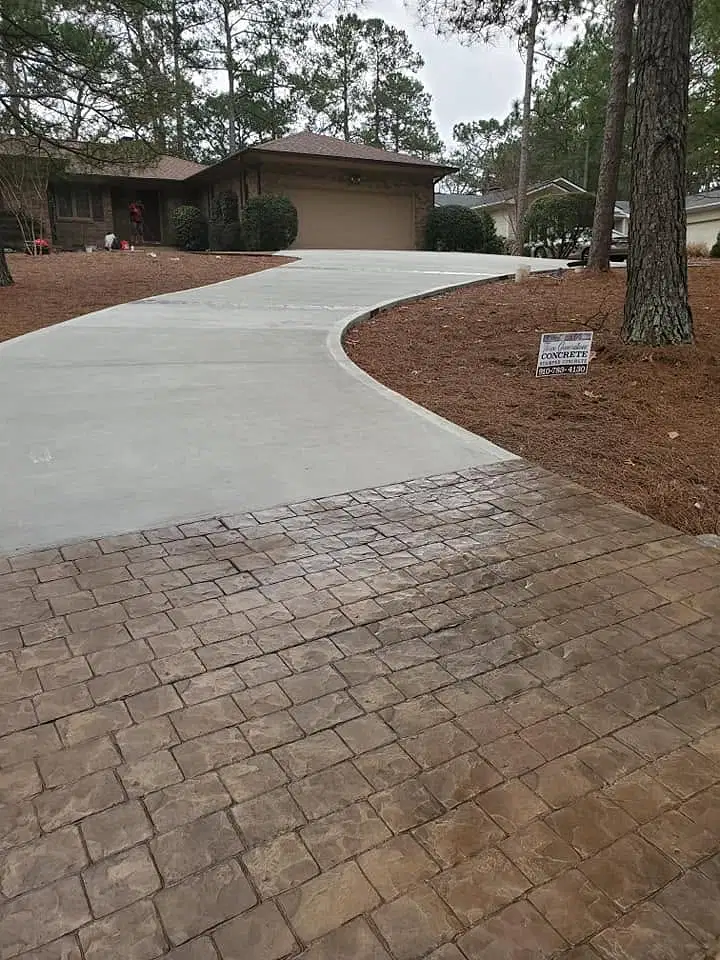
Not all concrete damage is created equal. While minor surface blemishes can often be treated, structural failures usually require a more intensive approach. Recognizing the signs concrete driveway needs replacement can prevent you from wasting money on superficial fixes that won't last.
One of the biggest culprits of driveway failure is the foundation beneath it. Living in the Sandhills means we deal with unique, sandy soil conditions that are prone to shifting and settling over time. If the subgrade wasn't properly prepared and compacted before the original pour, the concrete above it will eventually crack and sink under the weight of your vehicles.
If you notice wide, deep cracks that run straight through the slab, or if sections of your driveway are noticeably uneven and creating a tripping hazard, replacement is usually the safest and most cost-effective long-term option. When concrete begins to heave or sink dramatically, it indicates a compromised foundation that cannot be fixed by simply patching the surface.
Additionally, if your driveway is suffering from severe frost heave, extensive pitting from harsh chemicals, or is simply decades old and crumbling at the edges, pouring a new slab will provide the durability and peace of mind you need. When it is time for a fresh start, exploring high-quality new driveways ensures that the site is graded properly to handle local drainage needs and soil conditions.
Concrete Driveway Resurfacing vs Replacement
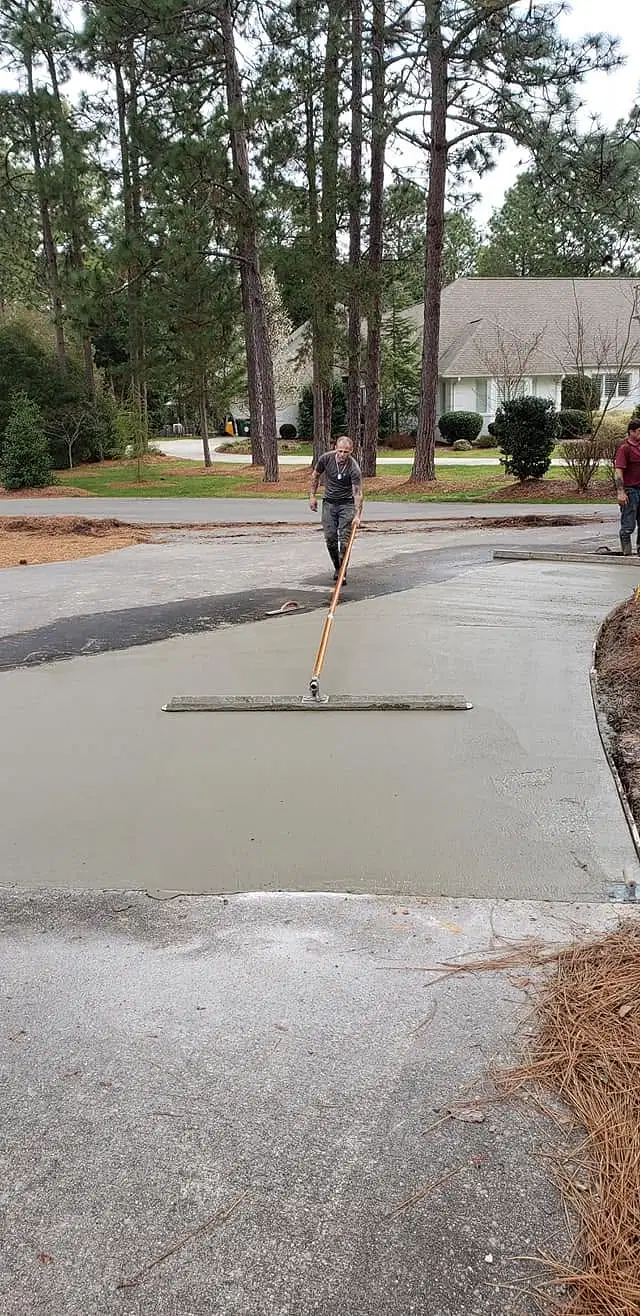
If your driveway is structurally sound but looks old, weathered, or stained, you might not need to tear it out completely. This is where the debate of concrete driveway resurfacing vs replacement comes into play.
Resurfacing is an excellent option for concrete that is suffering from minor surface damage. This includes shallow hairline cracks, light scaling or spalling (where the top layer of concrete flakes off), and stubborn discoloration. During the resurfacing process, professionals clean the existing slab, repair minor blemishes, and apply a specialized overlay that bonds directly to the old concrete. This creates a brand-new, durable surface that can even be stamped or colored to upgrade the look of your property.
Professional concrete resurfacing is highly appealing for busy homeowners because it is generally faster and more budget-friendly than a complete tear-out and replacement. However, it is vital to remember that resurfacing is only a viable option if the underlying concrete is stable. Putting a beautiful new overlay on a sinking or structurally cracked slab is like putting a bandage on a broken bone—the new surface will eventually crack right along with the old one beneath it.
How to Fix Deep Cracks in Concrete Driveways
A frequent question we hear from property owners is how to fix deep cracks in concrete driveways. Many people attempt DIY repairs using store-bought concrete fillers or caulk. While these products can temporarily seal out moisture and prevent weeds from growing in small gaps, they do not restore the structural integrity of the slab.
For deep, structural cracks, a professional assessment is necessary. If a crack is wider than a quarter of an inch or shows significant vertical displacement (one side is higher than the other), standard patching materials will quickly fail. The surrounding soil must be stabilized, and in many cases, the severely damaged sections must be cut out and repoured. If the deep cracks are extensive and widespread across the entire driveway, full replacement becomes the most logical and economically sound choice to prevent endless cycles of patching.
Making the Right Choice for Your Property
Whether you need a quick aesthetic upgrade or a complete structural overhaul, transparency and reliable communication are key. We know that many families stationed at Fort Liberty or living nearby have unpredictable schedules and need contractors they can trust to get the job done right, on time, and with upfront pricing. That is why we prioritize digital estimates, clear communication, and professional project management from start to finish.
Choosing between repair, resurfacing, or replacement comes down to the current health of your concrete, your aesthetic goals, and your long-term budget. Don't let a deteriorating driveway drag down your home's curb appeal or create safety hazards for your family.
If you are unsure which option is best for your property, the team at Three Generations Concrete is here to help. We will assess your existing concrete, evaluate the soil conditions, and provide a transparent, professional recommendation tailored to your needs. Visit our contact us page today to request an estimate and take the first step toward a beautiful, lasting driveway.